
Manifesto
We build games that taste like summer.
Founded in Bologna during a heatwave, Trackeno Studio is a rebellion against corporate crunch. We prioritize aesthetic joy, tactile feedback, and the 'Aperitivo Hour' development cycle—where code flows better with good company.
The Playground Portfolio
Three experiments in 'joy mechanics.' Not products—puzzles.
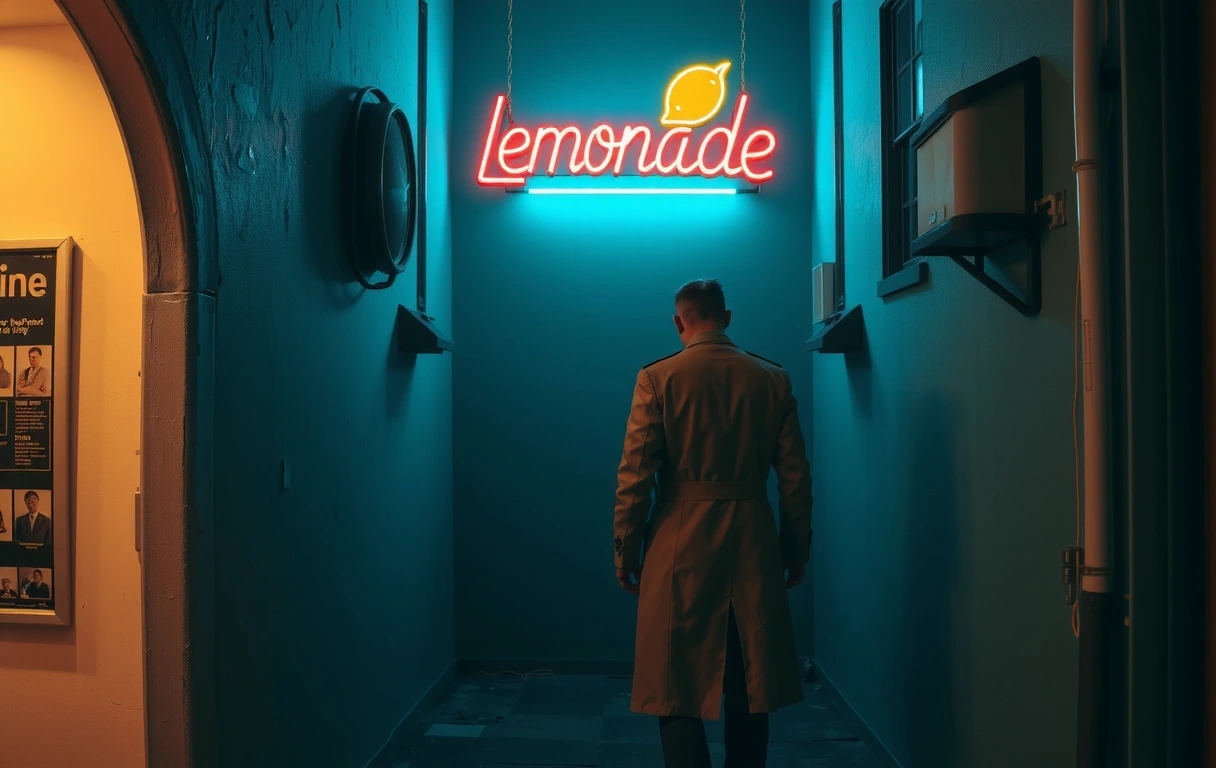
Lemonade Tycoon: Noir
Solve crimes by managing inventory. Because the best alibi is a refreshing drink.
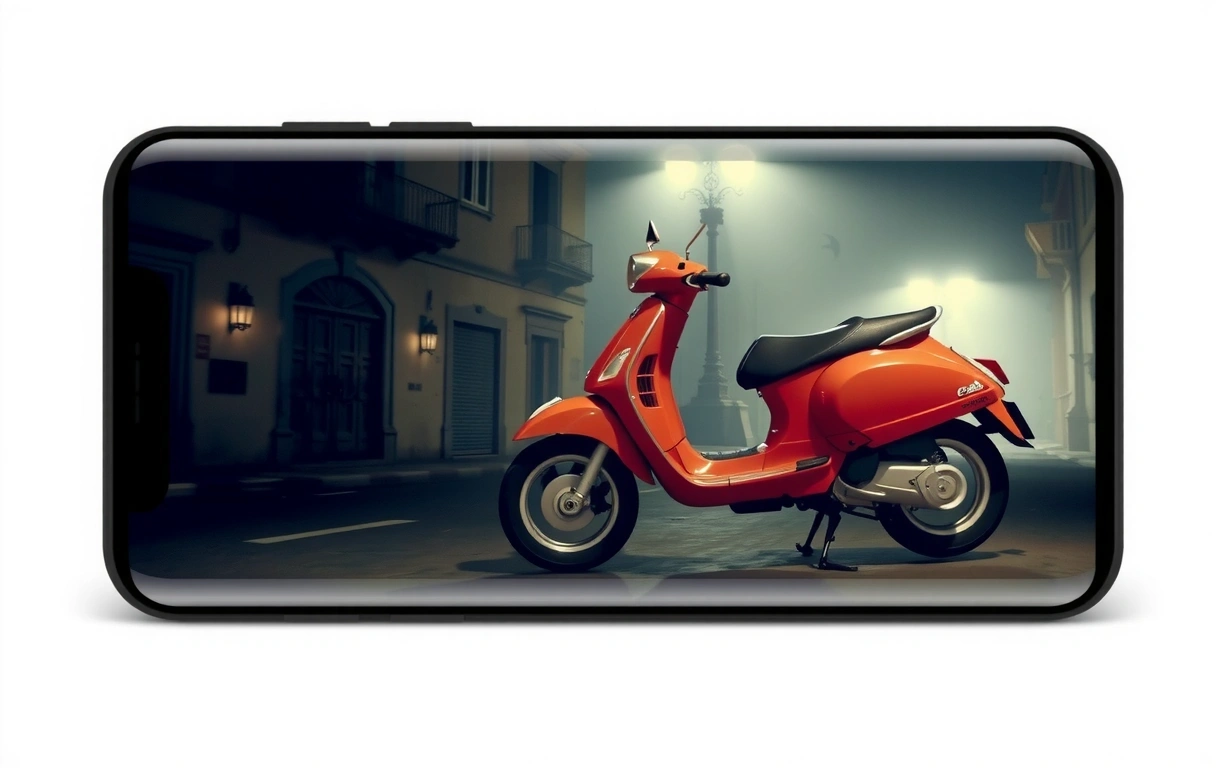
Vespa vs. Vampire
Endless runner meets gothic horror. Our 'Feature Creep Trap' kill: the 80s synth soundtrack was deemed 'too specific'.
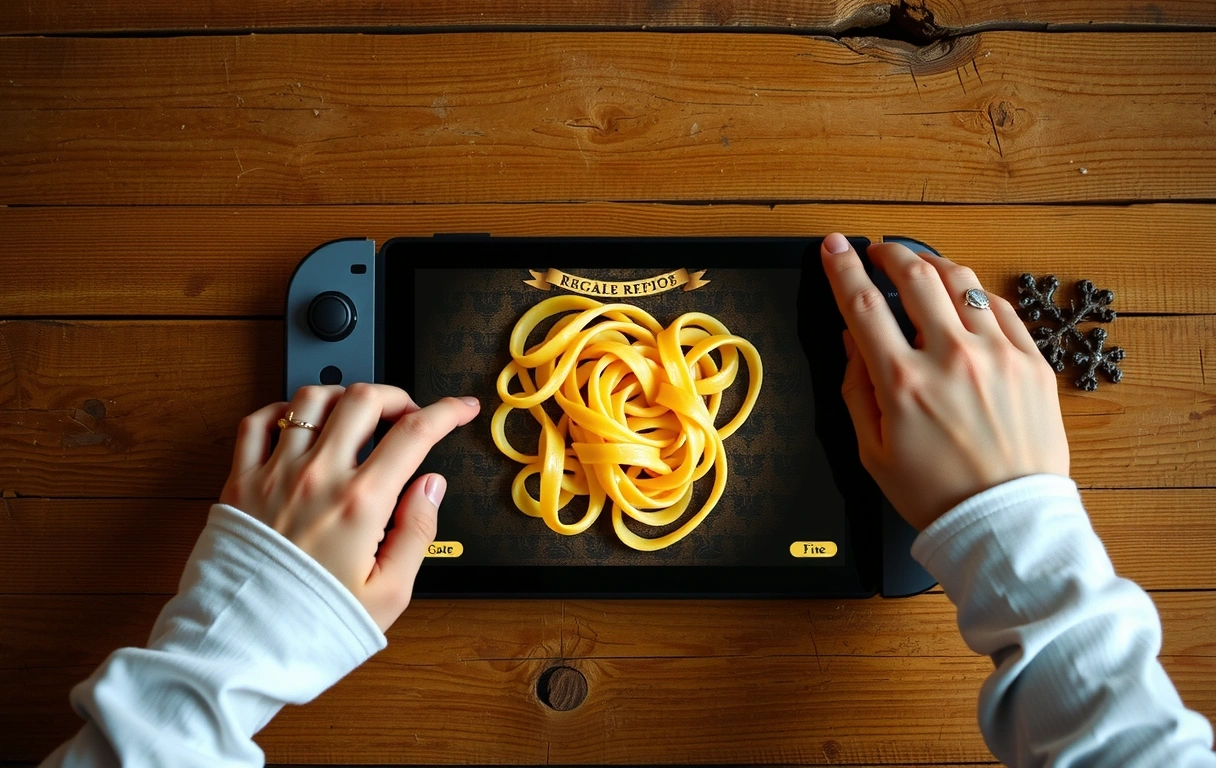
Pasta Protocol
A co-op puzzle where syncing pasta shapes unlocks ancient culinary secrets. No menu allowed—play is the tutorial.

Untitled Vessel
An exercise in restraint. Can you feel satisfaction with only one interactive object?
The 90-Day Vertical Slice Method
A raw, unpolished log of decisions. No timelines, no Gantt charts. Just the work.
The Napkin Phase
We develop pure mechanics on paper. If it's not fun with a pencil and graph paper, it's dead. No code, no art, no apologies.
// We commit to Unity or Godot from Day 1 to avoid scope creep.
The Ugly Art Phase
Placeholder art is forbidden. We use 'mood boards' as playable assets. The goal is to establish tone, not finish graphics.
Trade-off Frame
- ✕ Scope: Polished visuals are delayed.
- ✓ Mitigation: Using custom mood boards as art assets ensures we never lose the 'soul' we tested in Phase 1.
The Polish Pass
Juice, sound, and the 'Aperitivo Test'. Does the game feel good with a drink in hand? If not, we tweak the 'hand-feel' before anything else.
Common Studio Mistakes (And How We Avoid Them)
The 'Feature Creep Trap'
Adding mechanics because they sound cool, not because they serve the core loop.
How We Avoid: The '10-Second Rule'. If a new feature doesn't elevate the core fun in 10 seconds, it's cut. We killed our favorite mechanic in Vespa vs. Vampire for this.
The 'Silent Prototype'
Building a beautiful prototype that feels good to look at but hollow to play.
How We Avoid: 'Ugly Art Phase' mandates that all placeholder assets must be interactive and convey emotion, even if they're just colored blocks.
The 'Brand Dilution'
Making a 'Studio Game' instead of a 'Trackeno Game', trying to appeal to everyone.
How We Avoid: We only build for the 1% who get it. Our niche is our strength. We refuse the color 'corporate blue' for this reason.
The 'Engine Regret'
60 days in, realizing Unity's particle system isn't right for the vision.
Mitigation: The 'No Engine Switching' rule. We commit on Day 1. This forces us to solve problems within our chosen tool, which often leads to more creative solutions.
The Decision Log
A transparent record of key trade-offs from our last project, 'Pasta Protocol'.
Input Method: Touch vs. Controller
Option A (Touch)
Intuitive, immediate. Matches the tactile theme. Risk: accidental inputs on small screens.
Option B (Controller)
Precise, comfortable for long sessions. Risk: alienates mobile-first players.
Why we chose A: Core 'sync' mechanic requires immediate, parallel inputs from two players. A controller introduces a input lag that breaks the feeling of unity. We optimized touch to be incredibly forgiving.
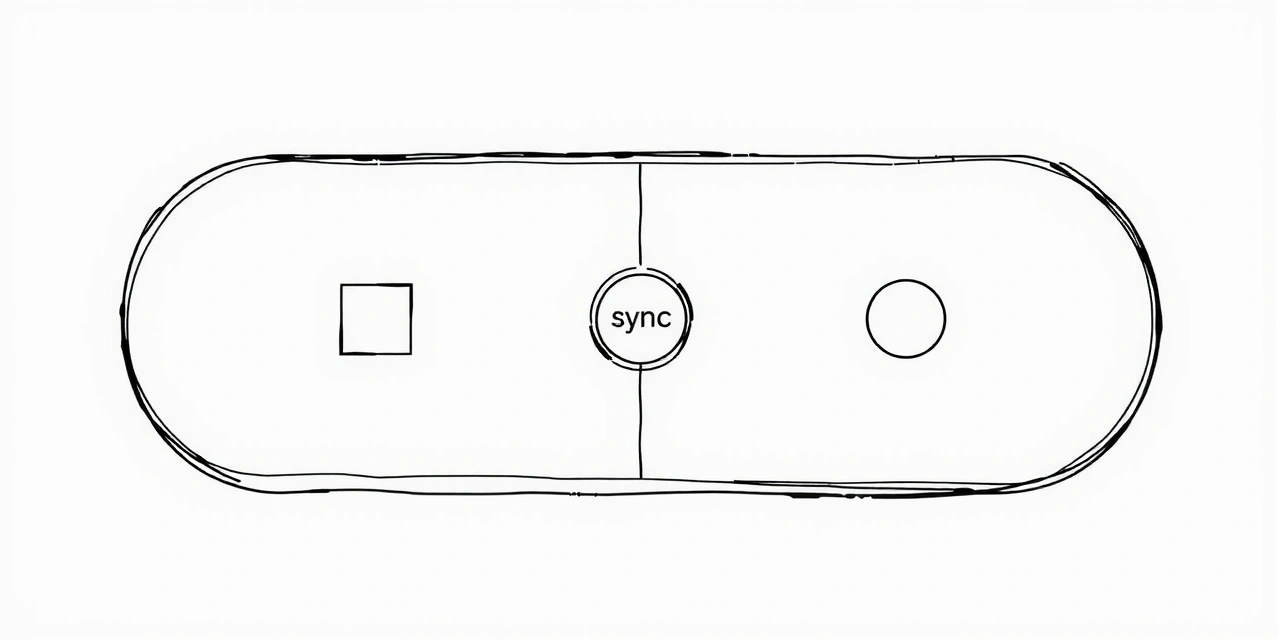
Annotated sketch: The 'sync' button is the focal point. Hand-feel over precision.
The Team (When We Aren't Coding)
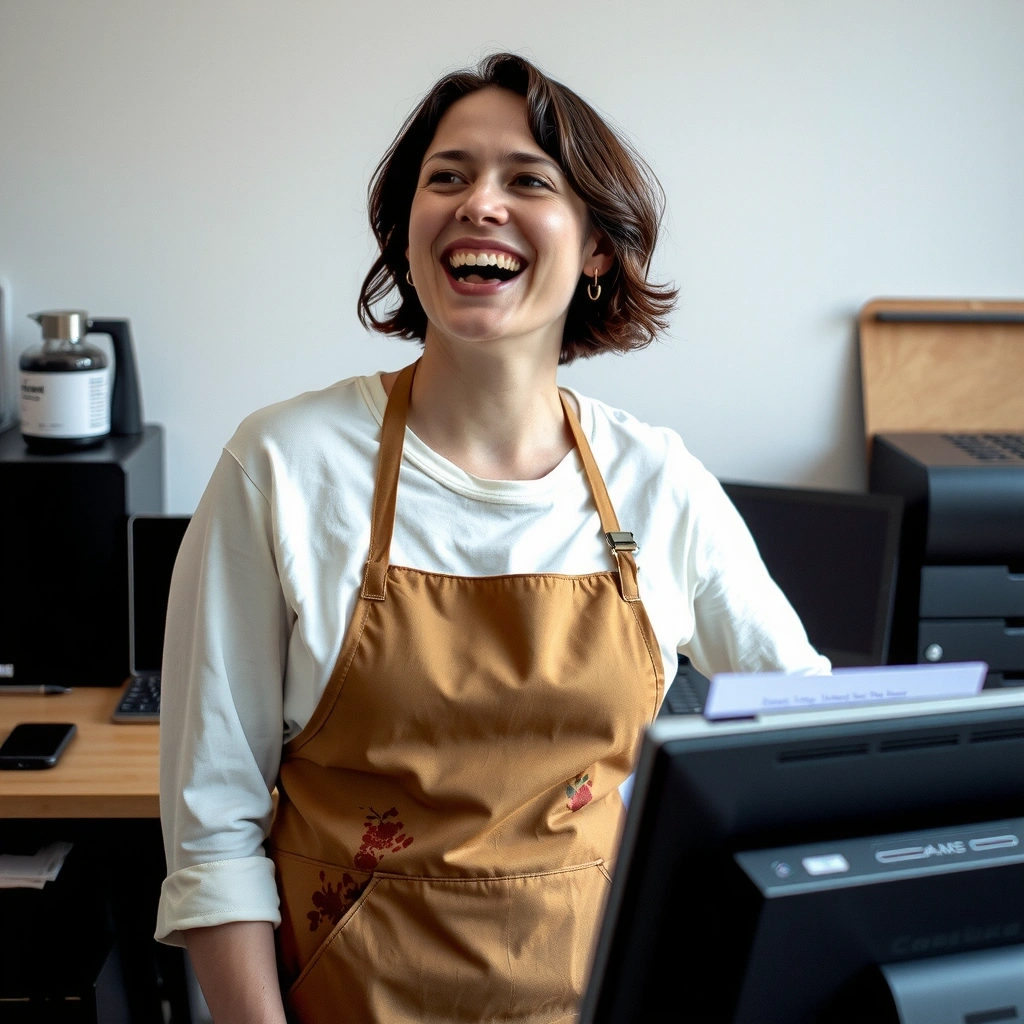
Sofia
Lead Artist. Paints with coffee. Refuses 'undo'.

Marco
Founder. Ex-architect. Obsessed with vintage synths.
Join the Aperitivo
One high-quality email a month. No spam. Just a playlist, a sketch, and a deep-dive on a mechanic.
By subscribing, you agree to our Privacy Policy. We will never sell your data.
Ready to build something that feels good?
Let's discuss your project or just talk game design.