
We don’t make games for the algorithm. We make them for the memory.
Trackeno Studio is a small team of architects, musicians, and code poets building compact, resonant experiences from a single room in Rome. Our methodology is less a pipeline and more a practice—rooted in constraint, elevated by craft, and tested by the quiet satisfaction of a player who discovers a secret on their third run.

How We Choose What to Build
Our decision framework is intentionally simple. It prioritizes long-term player engagement over short-term novelty. This is the checklist every concept must survive before entering active development.
Narrative Resonance > Plot Complexity
CRITERION: Does the story live in the player's memory?A simple, emotionally clear moment (like finding a lost photograph) often beats a complex, branching storyline. We optimize for "texture" in storytelling—specific, sensory details that stick. We sacrifice plot density for moments that feel personal.
Mechanical Depth > Feature Breadth
CRITERION: Can the player explore this mechanic for hours?Our games are built on a single, polished mechanic (e.g., "drifting in zero-G," "watercolor physics"). We spend months on the "feel" of that one thing. We forgo adding extra mini-games or modes that dilute the core experience. The trade-off is a narrower audience, but a deeply loyal one.
Artisanal Polish > Graphical Fidelity
CRITERION: Do we obsess over details a player might not consciously notice?We don't chase 4K textures or ray tracing. Instead, we focus on hand-drawn animations, bespoke sound design, and readable UI. A "blinking cursor" animation might take a week. This is a deliberate choice: we invest in the *perception* of craft over raw technical power.
Where Ideas Meet Hard Reality
This is the decisive phase. Concepts from the brainstorm are pressure-tested against our fixed constraints. Below is a real entry from our internal log, anonymized.
The "Vertical Slice" vs. "Horizontal Slice" Debate
Should we build one level to perfection (vertical) or many levels to a basic standard (horizontal)?
"The prototype felt fun, but the vertical slice revealed a fundamental flaw. Our 'drifting' mechanic, while novel, caused severe motion sickness in 40% of testers. We had to choose: redesign the core loop or accept a smaller, more tolerant audience."
Fixed 3-month timeline for beta.
Delay release by 2 months to add "ground mode" toggle.
Added 45 days dev time. Final retention score: +22%.
A user testing video, not internal debate.
The "Feature Creep Siren." Our kill list is a living document. If a feature isn't serving the core loop in 48 hours, it's cut.
Audio-Only Test: Playing a build with the screen off. If the soundscape doesn't tell the story, the visual design is failing.
The People Behind the Pixels
We’re not a departmental studio. We’re a collective of specialists who actively mess with each other’s mediums. The architect overrules the programmer on level sightlines. The musician sets the color palette.
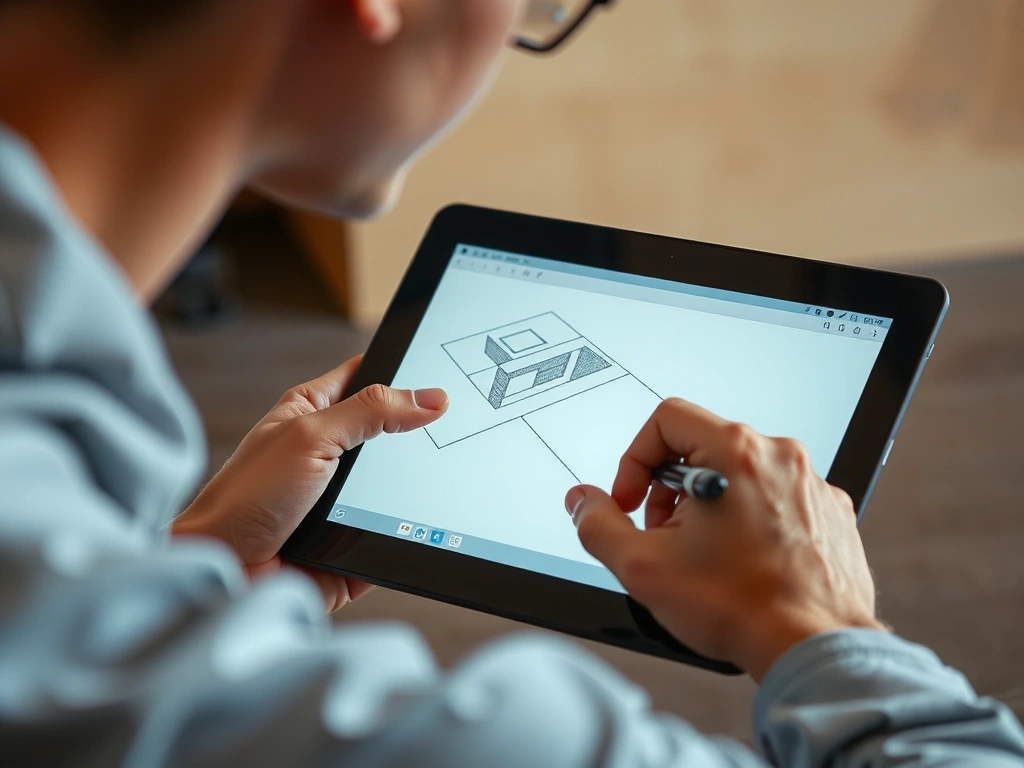
"Every game level must have a clear sightline, like a well-designed piazza. You should always be able to see where you’re going, even if the path is hidden."
This architectural rule changed our level design from a maze of corridors to a series of interconnected vistas. It increased our map build time by 20% but doubled the player's sense of place.
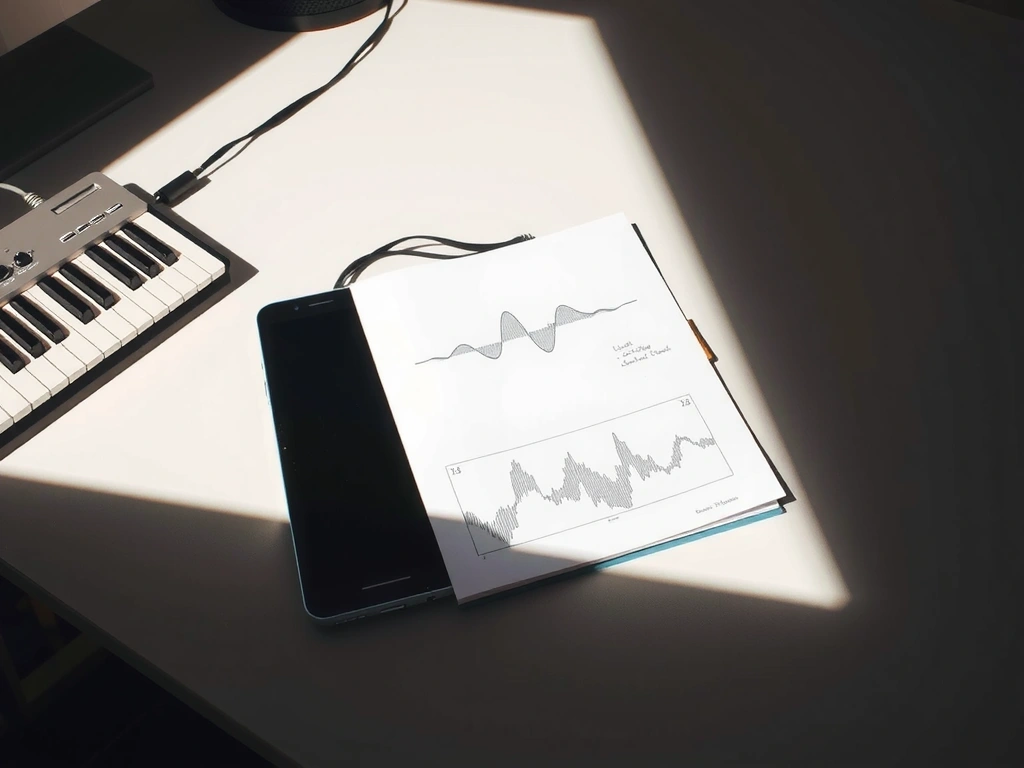
"The art isn't finished until the soundscape tells you where to look. We build the audio first. The visuals are the response."
Audio Director Sofia’s "sound-first" philosophy means we often ship games with placeholder boxes that are later replaced by final art. Her vintage synthesizer collection is treated as a core asset.
The Studio's Non-Negotiable Tradition
Every game build, without exception, contains Pistachio. A 16x16 pixel cat who wanders through menus, sleeps in corners of levels, and sometimes uncurls to blink at the player. No story reason. No game function. Just a tiny, persistent sign that a human made this. It started as a joke on the third prototype and became our most sacred rule.
"If we ever ship a game without Pistachio, we have prioritized efficiency over soul. And we are out of the business of making souls."
Think We'd Build Something Interesting Together?
We take on a limited number of projects per year. If your idea aligns with our "slow game" manifesto and you're open to a deeply collaborative process, let's start a conversation.
Trackeno Studio • Via Roma 123, 00100 Roma, Italy
+39 06 12345678 • info@trackeno.space • Mon-Fri: 9:00-18:00 CET