

Rapid prototyping. We use paper, clay, and engine primitives. If the mechanic isn't fun with squares, it won't be fun with art.
A curated look at our development pipeline. From polished narrative puzzles to chaotic local multiplayer experiments, see how we translate cultural texture into interactive systems.
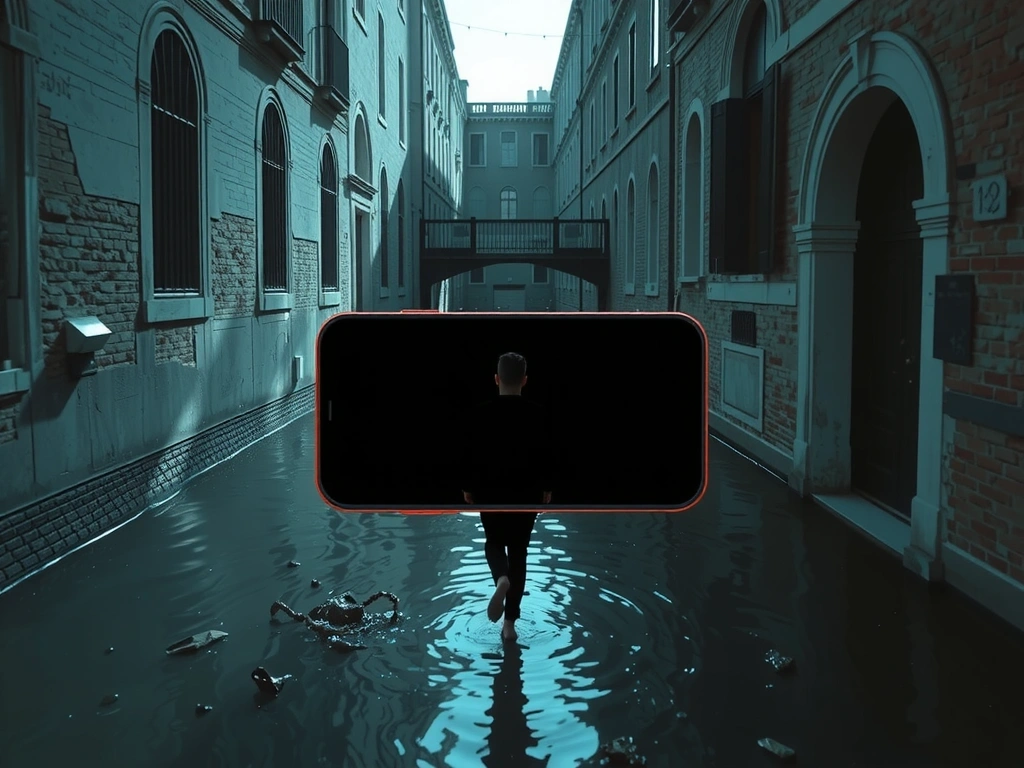
Aurora's Echo
 VIA FERRATA
Our games are built on a strict framework of sensory and mechanical constraints. These aren't marketing bullet points—they are hard filters we apply during pre-production.
Every game must evoke a specific Italian sensory memory. The steam rising from an espresso pull, the uneven texture of cobblestone underfoot, the specific echo of a church bell in a narrow alley. If we can't map it to a real sensation, we scrap the mechanic.
Core loops must mirror cultural rituals. The patience of brewing coffee becomes a timing puzzle. The chaotic negotiation of a market becomes a multiplayer resource scramble. Gameplay isn't just fun; it's a translation of habit.
We artificially limit ourselves to fuel creativity. A 3-button controller scheme. A strictly monochromatic palette for one chapter. Removing options forces us to find deeper, more interesting solutions.
We reject the 'twitch' reflex. Our games reward the "passeggiata"—the leisurely stroll. Observation, environment scanning, and breathing room are valued over frantic action.
Evaluating the cost of "Authenticity" vs. "Market Reach" in our current title, Via Ferrata.
We don't polish a turd. We find the fun first, then we build the house around it. Here is the messy reality of our 4-phase cycle.
Rapid prototyping. We use paper, clay, and engine primitives. If the mechanic isn't fun with squares, it won't be fun with art.
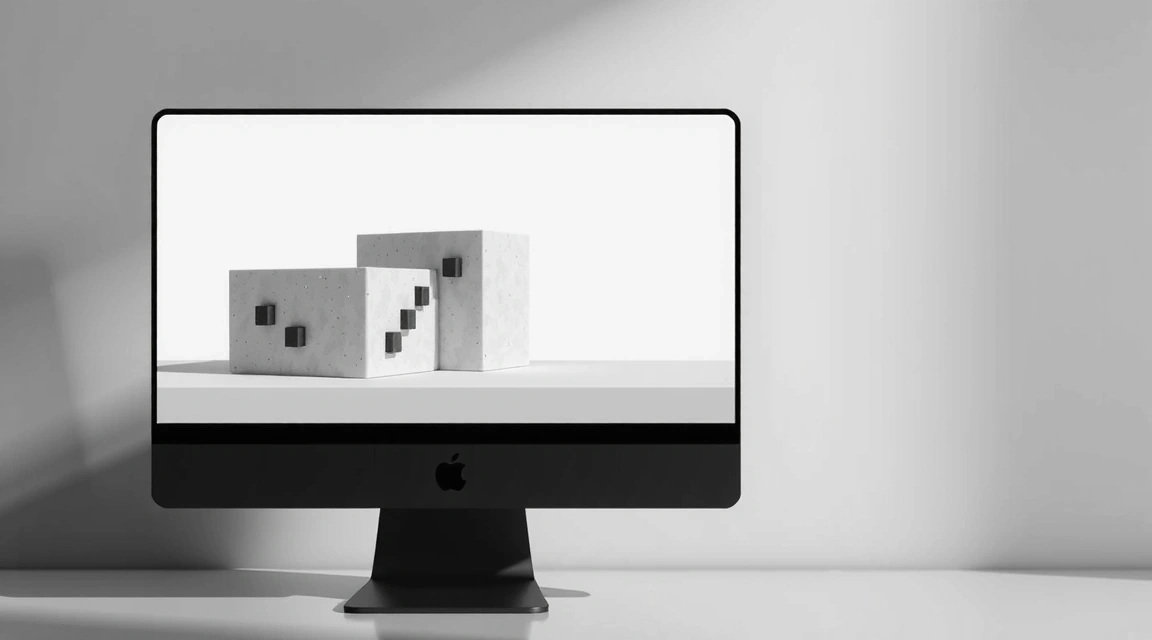
The "First Playable." We chase the loop, not the polish. As the Art Director says: "It's supposed to be ugly at this stage."
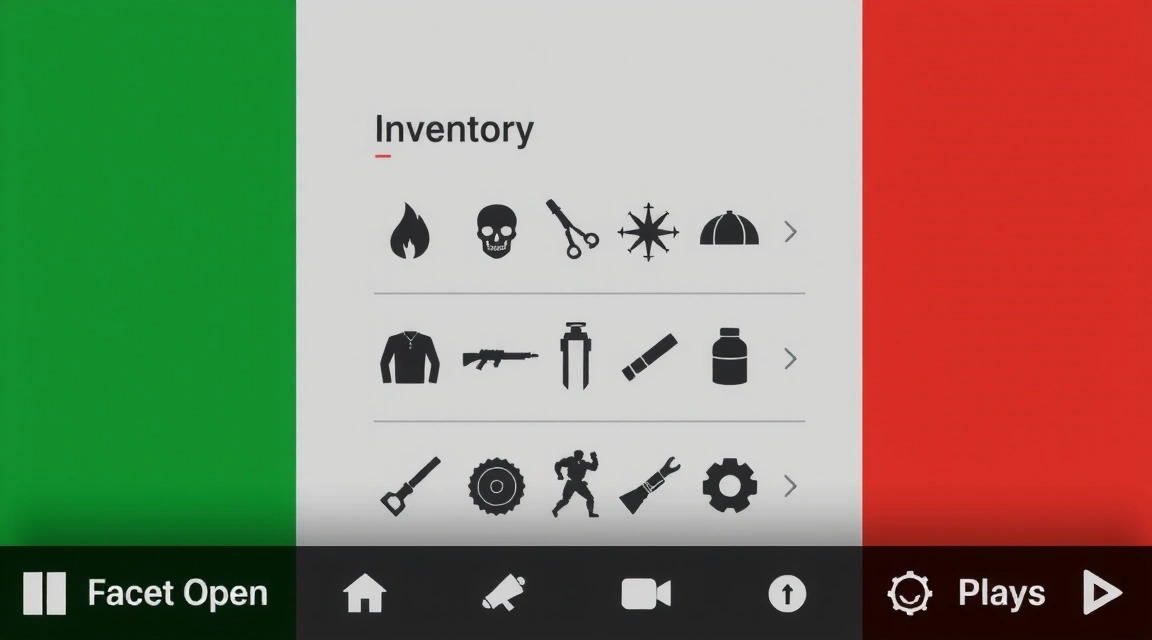
Iteration. We cut 30% of ideas to strengthen the remaining 70%. The "Passeggiata" pacing is refined here.
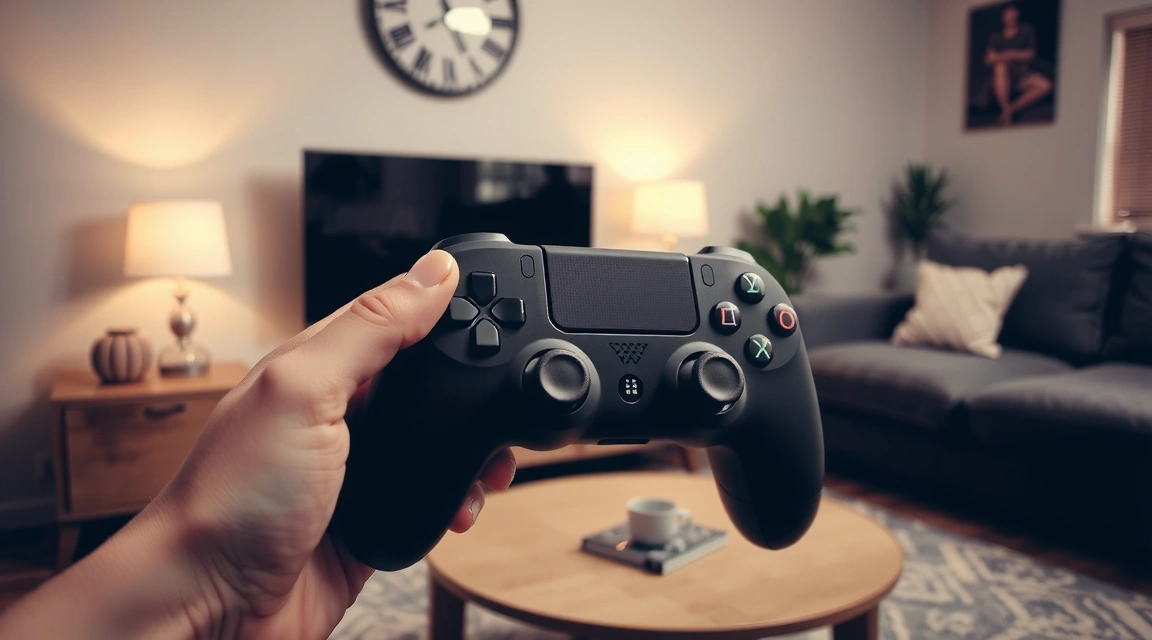
Testing with non-gamers. My grandmother failing the inventory system is a valid data point, not a family dispute.
Common mistakes in the Italian indie scene and how we avoid them.
How to Avoid: Don't just paste a Colosseum background. If the environment doesn't alter the gameplay mechanics (e.g., narrow streets changing AI pathing), it's just set dressing. We build levels that force movement decisions.
How to Avoid: Dialect can alienate. We use specific idioms only when they provide mechanical context, otherwise we rely on visual storytelling to bridge the language gap.
How to Avoid: "Show, don't tell" is law. We cut dialogue if a visual cue or sound effect can convey the same info. Players spend more time looking at the environment than reading text.
How to Avoid: We playtest on older hardware (our "Family Laptop" standard). If it drops frames, we optimize art, not lower specs. We assume players won't have the latest GPU.
One email per month. No spam. No sales pitch. Just a single, high-quality development sketch, audio snippet, or design doc from our current pipeline, delivered like a drink: a bitter problem, a sweet breakthrough, and a sparkling curiosity.
Unsubscribe anytime. We hate clutter too.